


Restaurants in the UK face a delicate balance when it comes to pricing alcohol to drive profitability. While beverages may only account for 21% of total sales, they can contribute disproportionately to a restaurant’s bottom line. Understanding the nuances of restaurant margins on alcohol is crucial for pricing for profit.
Key Takeaways:
- Alcohol drives high profitability in restaurants due to low pour costs and high markups
- The average bar gross profit margin is 70-80% from beverages, compared to 3-5% for full-service restaurants
- Beverage programs with low pour costs (18-24%) are the core of bar profitability
- Pricing strategies like tiered pricing, dynamic pricing, and volume discounts can maximise alcohol profits
The Alcohol Advantage: Boosting Restaurant Profitability
Alcohol sales are a lucrative revenue stream for restaurants in the UK, with bars and pubs reporting net profit margins between 10-15%, significantly higher than the 3-5% typical for full-service restaurants. This is largely due to the low pour costs and high markups associated with alcoholic beverages.
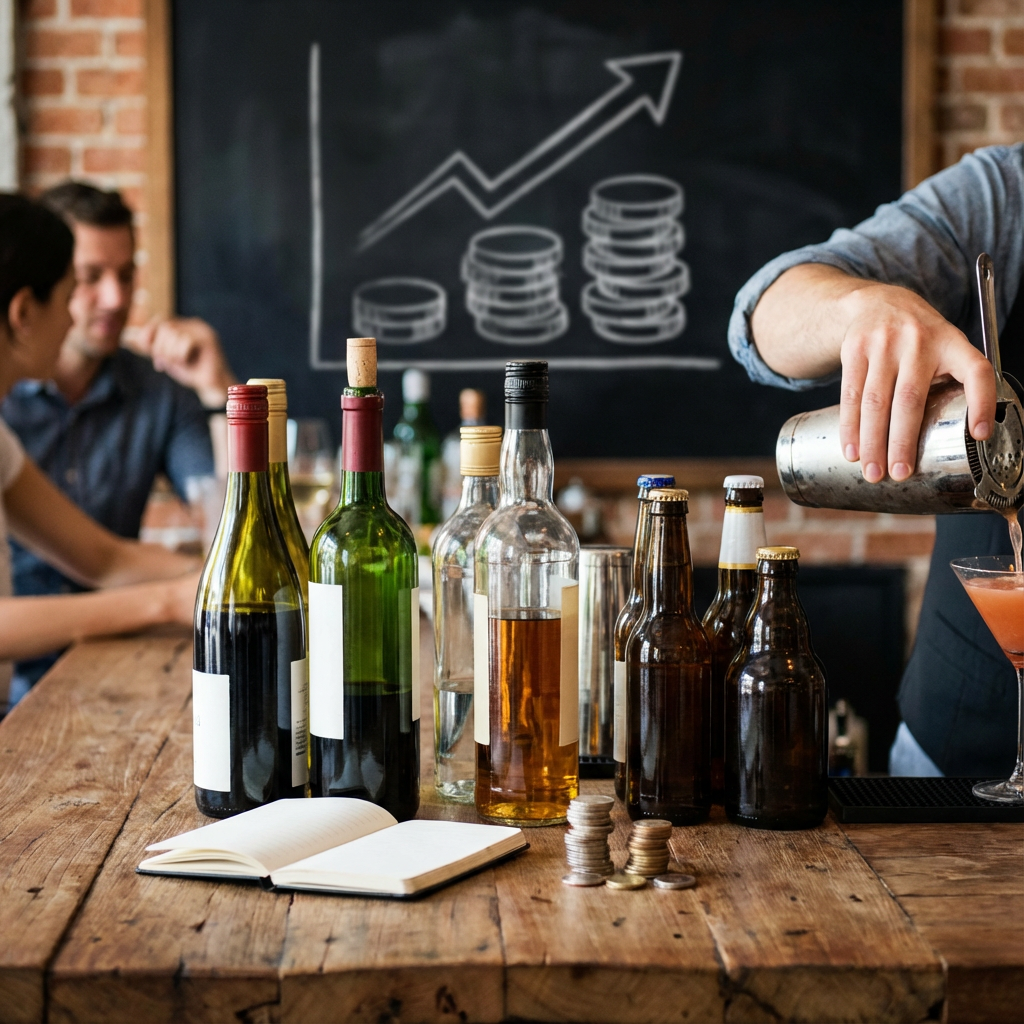
In fact, drinks can account for as much as 21% of a full-service restaurant’s total sales while contributing disproportionately to its profits. This is why optimising a restaurant’s alcohol program is crucial for maximising overall profitability.
Understanding Pour Cost: The Key to Alcohol Profitability
At the heart of a restaurant’s alcohol profitability is the pour cost – the percentage of sales revenue spent on acquiring the alcohol itself. The ideal pour cost for bars and pubs is typically between 18-24%, with the average bar reporting a 20% pour cost. This low pour cost allows for an 80% gross margin on alcohol sales.
To calculate pour cost, use the formula: (Alcohol Cost / Drink Sales Revenue) x 100. For example, if a restaurant spends £5,000 on alcohol and generates £20,000 in drink sales, the pour cost would be 25%.
Restaurants can reduce pour costs and boost profitability through tactics like inventory tracking to minimise waste and strategic menu engineering.
Maximising Margins by Beverage Type
Not all alcoholic beverages are created equal when it comes to profit margins. Here’s a breakdown of the typical pour costs and profit margins for different beverage types:
- Draft Beer: 20% pour cost, 80% profit margin (kegs 40-45% cheaper than bottles/cans)
- Bottled/Canned Beer: 25% pour cost, 75% profit margin (wholesale £1 → sell £3.35-£5)
- Wine (by bottle): 20-25% pour cost, 70-75% profit margin (markup 4-5x wholesale; 750ml bottle yields 4-6 glasses)
- Super Premium Liquor: 15% pour cost, 85% profit margin (highest margins)
- Premium Cocktails: Varies, 75-85% profit margin (simple ingredients, premium pricing)
Pricing Strategies for Maximum Profit
To maximise alcohol profits, restaurants should price drinks at a level that achieves their desired pour cost. For example, if the cost of a drink is £2 and the target pour cost is 20%, the selling price should be £10.
Other effective pricing strategies include:
- Tiered pricing: Offering house and premium options
- Markup spirits by 20-25% or higher
- Dynamic pricing: Adjusting prices for peak and off-peak times
- Volume discounts: Offering deals like pitchers
Optimising Alcohol Profits
Beyond pricing, restaurants can employ a variety of tactics to boost alcohol profits:
- Happy hours: Driving volume while protecting margins
- Seasonal cocktails: Offering higher-margin speciality drinks
- Switching suppliers: Moving to bulk or low-cost options
- Product mix analysis: Identifying high-margin items via POS data
- Limited-time offers (LTOs): Testing new drink concepts
Conclusion: Balancing Profit and Customer Experience
Striking the right balance between maximising alcohol profits and providing a positive customer experience is crucial for the long-term success of restaurants in the UK. By understanding the nuances of pour costs, leveraging strategic pricing, and optimising their beverage programs, restaurateurs can drive profitability while delighting their patrons.
Sources:
7shifts
PourMyBeer
SanteHQ
Over Easy Office
BinWise
Provi
Restroworks
DoorDash Merchants
National Restaurant Association
Back Office
SevenFifty Daily
Cabaret Design Group
Restaurant365
Lightspeed




Leave a Comment