


How Can I Run a Pub: Best Tips, Ideas & Guide for 2026
Running a British pub in 2026 blends hospitality skills, sharp financial management, and community-focused marketing to succeed in a competitive trade. This guide answers the question “how-can-i-run-a-pub” with practical steps covering licensing, staffing, menu design, and profit margins.
Key Takeaways
- Secure the right licences and training before opening your doors.
- Choose between a tenancy, lease, or freehold based on capital and risk appetite.
- Focus on food and drink margins to keep the business profitable.
- Build a loyal local community through events and consistent service.
- Track KPIs weekly to spot issues before they escalate.
Understanding the UK Pub Industry in 2026
The UK pub trade remains a cornerstone of British hospitality, though it’s continuously developing. According to the British Beer and Pub Association, there are roughly 45,000 pubs across the UK, and consumer expectations have shifted sharply since the pandemic. Therefore, understanding today’s market is essential before signing any lease.
Customers now expect quality food alongside drinks. Moreover, they value experiences such as quiz nights, live music, and dog-friendly gardens. For inspiration on menu direction, I’d suggest looking at successful pubs to eat across the country.
Rising energy costs and staff wages have squeezed margins. However, well-run pubs still generate healthy returns. Consequently, planning your finances carefully matters more than ever.
How Can I Run a Pub: Licences, Legal Requirements and Setup
Before pouring a single pint, I need the correct paperwork in place. The Personal Licence is issued under the Licensing Act 2003, and every designated premises supervisor must hold one. Additionally, the pub itself needs a Premises Licence granted by the local council.
Here are the core legal steps I’d follow:
- Complete the APLH qualification (Award for Personal Licence Holders).
- Apply for a Personal Licence through your local authority, typically costing around £37.
- Secure a Premises Licence, which varies by rateable value.
- Register for food hygiene with Environmental Health.
- Arrange public liability insurance and employer’s liability cover.
Furthermore, I’d decide on the business model early. Tenancies suit new operators with limited capital, whereas freeholds offer full control. For example, a tied tenancy usually requires £20,000 to £50,000 upfront, while freeholds can exceed £500,000.
Managing Operations, Staff and Menu Successfully
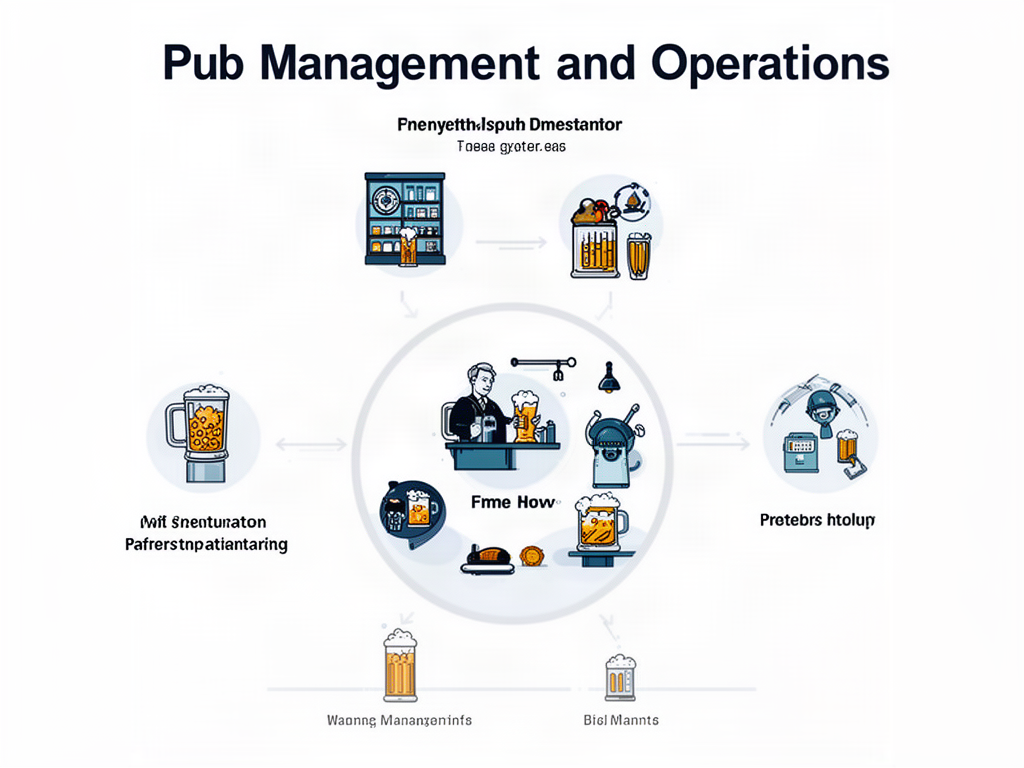
Day-to-day operations make or break the business. I’d start by hiring a reliable team, because staff turnover in hospitality averages 30% annually. Consequently, offering fair wages, clear rotas, and progression opportunities pays dividends.
Menu design deserves careful attention. Classic pub grub still draws crowds, though I’d add seasonal specials and vegan options to broaden appeal. Additionally, keeping gross profit margins above 65% on food and 70% on drinks keeps the numbers healthy.
Key operational priorities include:
- Stock control with weekly GP tracking.
- Regular staff training on service standards and allergens.
- EPOS systems that integrate bookings, payments, and reporting.
- Supplier reviews every six months to secure competitive pricing.
- Cleaning schedules that meet Food Standards Agency guidelines.
Moreover, I’d benchmark against nearby competitors. Looking at the best pubs to eat in your region reveals pricing patterns and popular dishes worth adopting.
Marketing, Community and Long-Term Growth
A pub without customers is just an expensive building. Therefore, marketing needs to run consistently, not just at opening. Social media, particularly Instagram and Facebook, drives footfall for events and specials at minimal cost.
I’d focus on building a loyal local following. For instance, hosting quiz nights on quieter weekdays, sponsoring a local sports team, or running charity events all deepen community ties. Furthermore, email newsletters with monthly offers keep regulars engaged.
Growth strategies I’d prioritise include:
- Google Business Profile optimisation for local search.
- Partnering with delivery platforms for takeaway revenue.
- Introducing loyalty schemes through EPOS integration.
- Hosting private hire events for weddings and wakes.
- Reviewing pricing quarterly against inflation.
Long-term, I’d reinvest 3-5% of turnover into refurbishment. Consequently, the pub stays fresh, and reviews stay positive.
Conclusion
Running a pub in 2026 rewards operators who combine hospitality passion with sharp business discipline. From securing licences to managing margins and building community loyalty, every element matters. Start small, track your numbers weekly, and stay close to your customers. Do that consistently, and your pub can thrive for decades.
Sources:




Leave a Comment