


Introduction
British pubs remain a cornerstone of social life, with 2026 set to bring fresh trends in craft ales, food-led venues, and community-run locals. I’ve put together this guide to help both casual drinkers and aspiring landlords understand what makes a great pub thrive today.
Key Takeaways
- Traditional pubs are adapting through food menus and craft beer ranges.
- Community-owned venues are seeing strong growth across the UK.
- Sustainability and local sourcing matter more than ever to customers.
- Digital booking and cashless payments have become standard expectations.
- Successful landlords blend heritage with innovation to attract new audiences.
Why British Pubs Still Matter in 2026
British pubs have weathered enormous change, yet they remain central to local identity. I’ve watched countless venues reinvent themselves while keeping the warmth that defines them. Moreover, the modern pub blends history with hospitality in ways that feel genuinely welcoming.
For example, many rural locals now double as post offices, cafés, and event spaces. Consequently, they earn their keep beyond pint sales. Additionally, urban pubs lean into craft beer, small plates, and curated wine lists to attract a broader crowd.
Historic British Pubs Worth Visiting
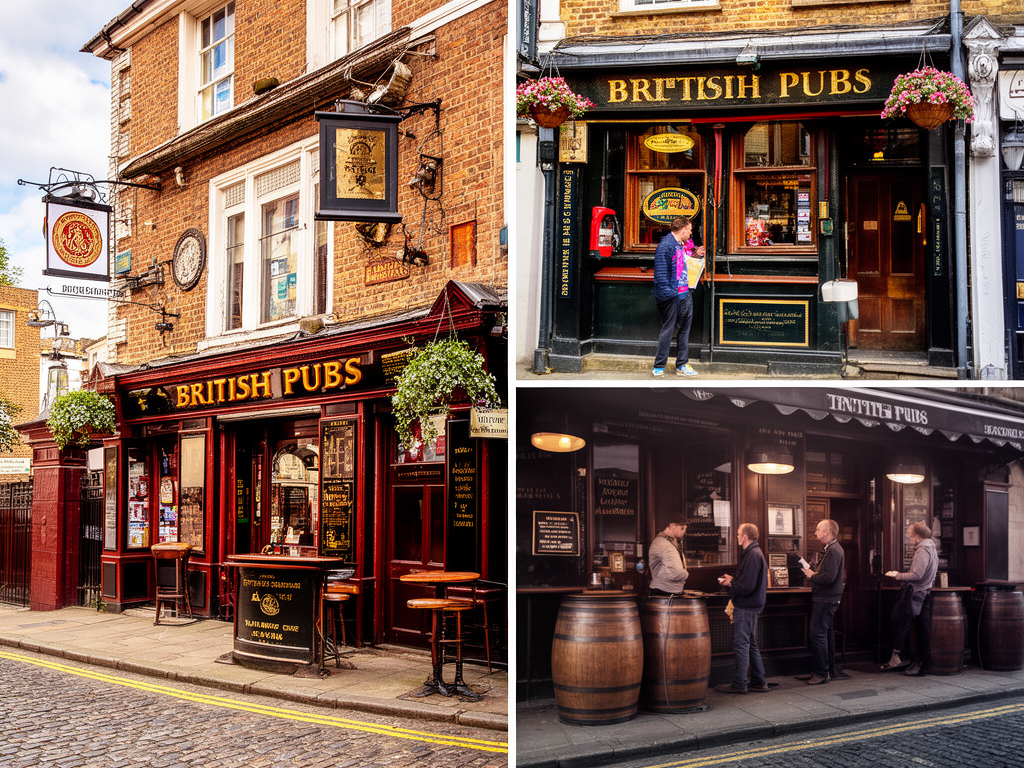
I’ve spent years exploring centuries-old taverns across the country. Furthermore, these venues offer more than a drink; they tell stories carved into beams and flagstones. The Old Trip to Jerusalem in Nottingham and Ye Olde Mitre in London regularly top my list.
Here are a few features that mark a truly historic pub:
- Original timber beams and exposed stonework.
- Inglenook fireplaces still in active use.
- House ales brewed to traditional recipes.
- Local stories tied to landlords past and present.
Modern Craft Beer British Pubs
The craft beer movement has transformed how I think about pub menus. For instance, taprooms now rotate 20 or more keg lines weekly. Additionally, many small breweries lease pub spaces to showcase their range directly to drinkers.
Customers in 2026 expect transparency about brewing methods and ingredients. Therefore, chalkboards listing ABV, hops, and brewery origin have become standard. Moreover, low and no-alcohol options now sit comfortably alongside hoppy IPAs and stouts.
Food-Led Pubs and Gastro Trends
Food has become a serious revenue driver. I’ve seen pub kitchens deliver Michelin-quality plates without losing their relaxed character. Consequently, weekend bookings often fill weeks in advance at the better-known venues.
The strongest food-led pubs in 2026 share a few common traits:
- Seasonal menus with local suppliers named on the card.
- Sunday roasts priced between £18 and £28.
- Vegetarian and vegan dishes given equal billing.
- Open kitchens that let guests watch the chefs.
Running a Pub: Practical Advice
If you’re thinking about taking on a pub, preparation matters enormously. I’d suggest reading my guide on how to become a pub landlord before you sign anything. Furthermore, the financial commitments can be heavier than first-timers expect.
For women entering the trade, my piece on becoming a pub landlady covers specific challenges and opportunities. Additionally, you’ll find broader operational tips in my pub landlord guide for 2026. Together, these resources cover licensing, staffing, and supplier negotiations.
Community Pubs and Local Ownership
Community-owned pubs have surged in popularity. According to the Plunkett Foundation, over 150 such venues now operate across the UK. Moreover, they tend to outperform privately owned competitors during economic downturns.
Locals invest because they value the social return as much as the financial one. Therefore, fundraising rounds of £200,000 to £500,000 aren’t unusual for village pub buyouts. Consequently, these venues stay open where commercial models might fail.
Trends Shaping British Pubs in 2026
Several shifts are reshaping the trade this year. For example, sustainability credentials now influence customer choice more than ever. Additionally, cashless payment and app-based ordering have become baseline expectations rather than novelties.
Here are the trends I’m watching closely:
- Low and no-alcohol ranges expanding rapidly.
- Pub gardens redesigned for year-round use.
- Live music and quiz nights driving weekday footfall.
- Energy-efficient kitchens reducing operating costs.
- Dog-friendly policies attracting family-aged customers.
Conclusion
British pubs in 2026 sit at an interesting crossroads. Tradition still draws people through the door, yet innovation keeps them coming back. Furthermore, the most successful venues respect heritage while embracing modern expectations around food, drink, and service.
Whether you’re a regular, a tourist, or someone considering taking on a licence, the pub remains one of Britain’s most rewarding institutions. Which traditional British pubs have best adapted to modern consumer preferences in your area?
Sources:
Writing Center, University of Wisconsin–Madison, Writing an Effective Blog Post
Upland Software, How to Analyze Your Blog Data in 5 Steps
Global Souths Hub, How to write a blog post about your journal article
Full Focus, Anatomy of an Effective Blog Post
Snappa, How to Write a Good Blog Post Using Visual Content
Datopian, Writing a Data-Oriented Blog Post
Orbit Media, 21 Elements You Need to Craft the Perfect Blog Post
WordStream, How to Write an Awesome Blog Post in 5 Steps
Grow and Convert, The Detail Principle for Writing Good Blog Posts






Leave a Comment