


Introduction
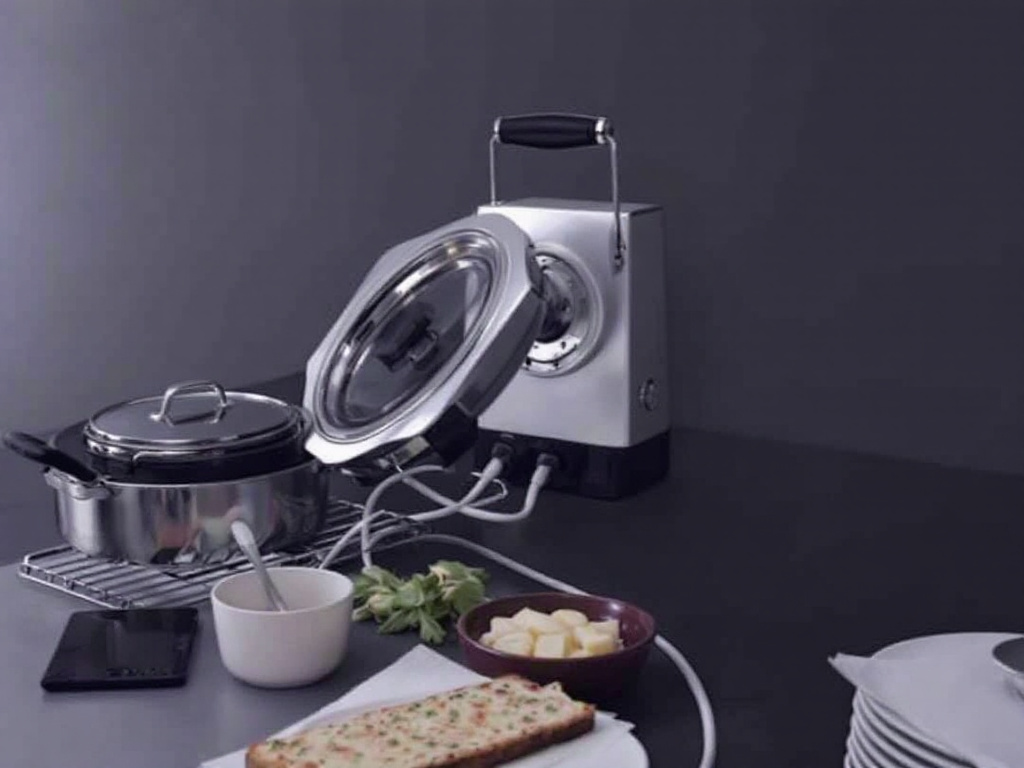
Electrical catering equipment forms the backbone of any professional kitchen in 2026, with energy-efficient models now cutting running costs by up to 30% compared to older units. I’ve found that choosing the right combination of ovens, fryers, and refrigeration can transform both service speed and profit margins for UK hospitality businesses.
Key Takeaways
- Energy efficiency is the top priority for 2026 kitchen investments.
- Modern induction hobs outperform traditional gas for speed and safety.
- Regular PAT testing keeps equipment compliant with UK safety law.
- Smart connected appliances reduce waste and boost productivity.
- Buying quality saves money long-term through fewer repairs.
Why Electrical Catering Equipment Matters in 2026
The commercial kitchen has changed dramatically over the past few years. Rising energy costs and stricter emissions rules mean electrical catering equipment now dominates new installations across the UK. I’ve seen many operators switch from gas to electric because the savings stack up quickly.
Modern electric appliances offer precise temperature control and faster heat-up times. Moreover, they typically require less ventilation, which reduces installation costs significantly. For example, an induction range can boil water in under two minutes.

Sustainability also drives many purchasing decisions today. Consequently, restaurants investing in energy-rated equipment often qualify for green business grants. If you’re exploring options, my guide to commercial kitchen equipment covers the wider picture in detail.
Essential Electrical Catering Equipment for Every Kitchen
Getting the basics right saves headaches later. I always recommend building your kitchen around a core set of reliable machines before adding specialist pieces. Additionally, standardising brands where possible simplifies servicing.
Here are the pieces I consider non-negotiable for most professional kitchens:
- Combi ovens for versatile cooking across steam, convection, and combination modes
- Induction hobs for precise, safe, and rapid heating
- Commercial refrigeration units with digital temperature displays
- High-capacity dishwashers with heat recovery systems
- Electric fryers with programmable timers and filtration
Budgets vary widely, so plan carefully. A quality combi oven typically costs between £4,000 and £12,000, whereas induction hobs start around £800. For those watching budgets, considering used commercial kitchen equipment can stretch your investment further without sacrificing performance.
Tips for Choosing the Right Equipment
Selection comes down to matching machines with your menu and volume. I always start by mapping out peak service demands before spec’ing anything. Furthermore, checking warranty terms and local service coverage prevents costly downtime later.
Consider these practical factors before committing to any purchase:
- Check the energy rating and estimated annual running costs
- Measure your space carefully, including door clearances and ventilation
- Verify UK electrical compliance (BS EN standards and CE/UKCA marking)
- Compare finance options, including lease-to-buy schemes
- Read reviews from operators in similar sectors
Second-hand purchases can offer excellent value when sourced carefully. However, always demand service history and PAT test certificates. My detailed look at used restaurant equipment walks through inspection checklists worth following.
Maintenance and Safety Best Practices
Keeping equipment running smoothly protects both your investment and your team. I schedule preventative maintenance quarterly rather than waiting for breakdowns. Consequently, my machines last years longer than industry averages suggest.
UK law requires PAT testing on portable appliances annually in most commercial settings. Additionally, fixed installations need periodic inspection by a qualified electrician. Documented records also help enormously with insurance claims should anything go wrong.
Daily cleaning routines matter too. For example, filters on fryers and extraction hoods should be cleaned each shift. Moreover, training staff to spot early warning signs, like unusual noises or slow heating, prevents small issues becoming expensive repairs.
Conclusion
Investing in the right electrical catering equipment sets your kitchen up for years of reliable service. Focus on energy efficiency, UK compliance, and regular maintenance to maximise returns. With careful planning and quality choices, your 2026 kitchen will run faster, cleaner, and more profitably than ever before.
Sources:






Leave a Comment