


The profit margins of fast food restaurants have long been a topic of interest for industry insiders and consumers alike. As we look ahead to 2026, it’s crucial to understand the key factors that influence these margins and the strategies businesses can employ to boost their profitability.
Key Takeaways
- Net profit margins for fast food restaurants typically range from 3-5%, with top performers reaching 10-15% or higher
- Food costs make up 30-35% of revenue, while labor accounts for 26-35% – factors putting pressure on margins
- Strategies like throughput improvement, portion control, and AI-driven operations can help boost profit margins
- Top QSR franchises like McDonald’s see 12-15% margins for franchisees and 15-18% for corporate-owned units, with an industry average around 12%
- Factors like value engineering and bifurcated sales will be critical in 2026 as consumers demand speed, accuracy, and hospitality over low prices
Profit Margin Types and Calculations
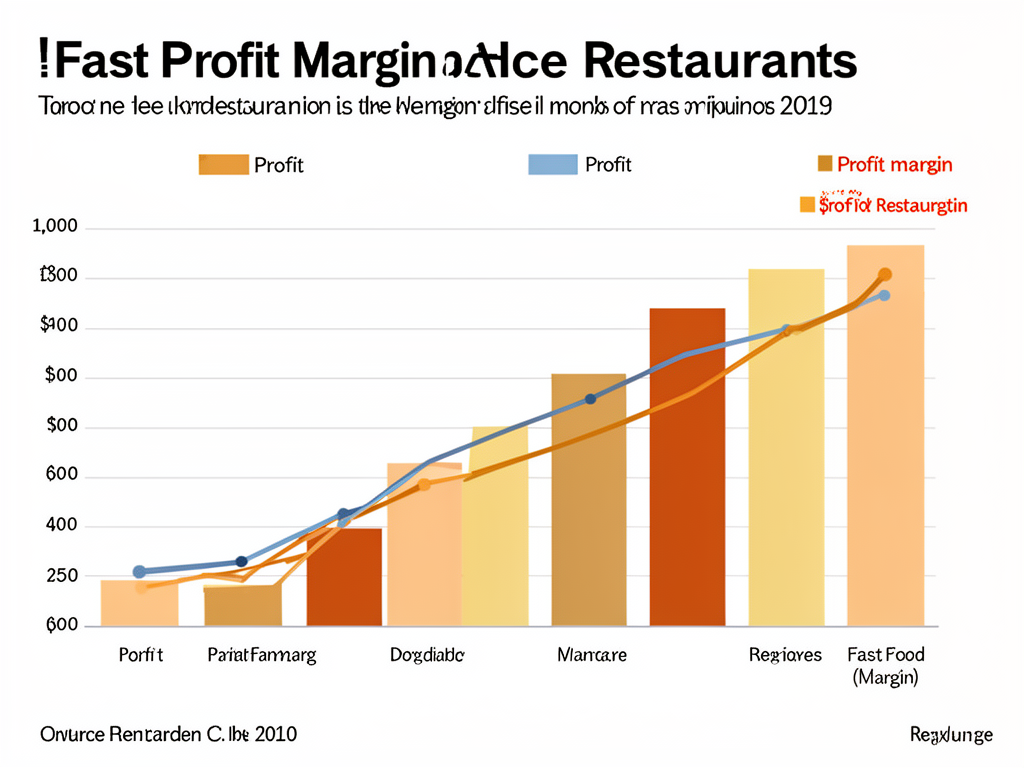
In the fast food industry, net profit margin typically ranges from 3–5% on average, with top performers reaching 10–15% or higher. The gross margin is calculated as (Sales – Cost of Goods Sold) / Sales, while the prime cost (COGS + Labor) / Sales targets 55–65% for fast food and fast casual establishments. Operating margin typically falls in the 6–15% range.
Factors Impacting Fast Food Margins in 2026
Food costs make up 30–35% of revenue, while labor accounts for 26–35%. Additionally, delivery app commissions, price compression, and consumer trade-down are putting pressure on profit margins.
Strategies to Boost Fast Food Profit Margins
To boost their profit margins, fast food restaurants can target item-level margins, with entrees at 28–32%, apps at 22–28%, and beverages potentially higher. Key levers include throughput (speed and upsells), weekly P&L review, portion control, and AI-driven operations.
2026 Trends and Benchmarks for Fast Food
Top QSR franchises like McDonald’s see 12–15% margins for franchisees and 15–18% for corporate-owned units, with an overall industry average around 12%. AI and value engineering will be critical in 2026 as consumers demand speed, accuracy, and hospitality over low prices, leading to a bifurcated sales trend.
Conclusion
The fast food industry faces a complex landscape when it comes to profit margins, with a range of factors impacting performance. By understanding industry benchmarks and implementing strategic margin-boosting tactics, fast food businesses can navigate the challenges of 2026 and position themselves for long-term success.
Sources:
Restaurant Profit Margins Explained For Small Restaurants 2026 (Dinevate)
Pressure Test Your Restaurant for 2026 (Running Restaurants)
What US consumers want from restaurants in 2026 (McKinsey)
A market of extremes: How 2026 will impact restaurant winners and… (Restaurant Dive)
2026 Independent Restaurant Profit Outlook (SpotOn)
The 2026 Restaurant Reality Check: Restaurant Trends That Matter… (GetVMS)
Top 40 Most Profitable Restaurant Franchises in 2026 (Malou)







Leave a Comment