


Introduction
Good pub grub in 2026 means hearty, locally sourced classics paired with creative twists, served in welcoming spaces where quality ingredients meet honest pricing. I’ve found that the best UK pubs now blend traditional favourites like steak and ale pie with seasonal menus, plant-based options, and shareable boards to satisfy a broader crowd.
Key Takeaways
- Classic dishes remain the backbone of any successful pub menu in 2026.
- Locally sourced ingredients boost trust and justify slightly higher price points.
- Seasonal rotation keeps regulars returning and reduces food waste.
- Plant-based and gluten-free options are now essential, not optional.
- Presentation and portion value drive repeat visits more than novelty.
What Defines Good Pub Grub in 2026
Good pub grub today balances tradition and innovation. I see landlords leaning into proven favourites while adding modern flourishes that appeal to younger diners. Therefore, the menu structure matters as much as the recipes themselves.
For example, a classic ploughman’s still earns its place, but pairing it with artisan chutneys lifts perceived value. Additionally, customers expect transparency about sourcing. Provenance labels on menus increasingly drive purchasing decisions, much like blogs influence buying behaviour, where 70% of consumers prefer learning through content rather than ads.
If you’d like to explore the wider food scene, my guide to the best pub food covers the standout dishes shaping British menus this year.

Classic Dishes That Always Deliver
Some dishes never lose their pull. I always recommend keeping a tight list of proven crowd-pleasers on the menu. Consequently, kitchens stay efficient and quality stays consistent.
Here are the staples I’d anchor any pub menu around:
- Steak and ale pie with shortcrust or puff pastry.
- Fish and chips with mushy peas and tartare sauce.
- Sunday roast with all the trimmings and proper gravy.
- Bangers and mash with caramelised onion gravy.
- Sticky toffee pudding with clotted cream.
Moreover, these dishes travel well across regions. Pricing typically sits between £14 and £22, depending on location. Furthermore, customers judge a pub by how well it executes these basics before trying anything else.
Modern Trends Shaping Pub Menus
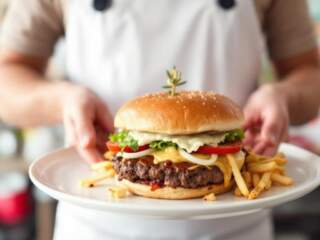
Menus in 2026 reflect a sharper focus on dietary inclusivity. I’ve watched pubs add vegan Sunday roasts, smash burgers, and Korean-style fried chicken. These additions broaden appeal without diluting the pub’s identity.
Additionally, small plates and sharing boards now feature heavily. They suit casual visits and encourage higher spend per table. For instance, a charcuterie board priced at £18 often outperforms a £14 main in margin terms.
Plant-based dishes deserve serious attention. Therefore, I’d dedicate at least 20% of any menu to vegetarian or vegan options. My write-up on popular pub meals breaks down which modern dishes earn their keep.
Sourcing and Sustainability
Local sourcing isn’t just marketing fluff anymore. I find diners genuinely care where their meat, fish, and vegetables come from. Consequently, partnering with nearby farms and breweries pays off twice, in quality and storytelling.
Here’s what works well for sustainable sourcing:
- Naming the farm or supplier directly on menus.
- Rotating seasonal vegetables every six to eight weeks.
- Stocking regional ales and ciders alongside food pairings.
- Reducing food waste through smaller, fresher prep batches.
Furthermore, reducing waste protects margins. Energy costs in 2026 remain elevated, so efficient kitchens matter more than ever.
Pricing, Portions and Perceived Value
Value beats novelty every time. I’d rather serve a generous, well-cooked plate at £16 than a clever-looking dish at £24 that leaves people hungry. Portion consistency builds trust quickly.
Set menus and midweek deals also work brilliantly. For example, a two-course lunch at £15 fills tables on quiet Tuesdays. Moreover, loyalty schemes through simple stamp cards encourage repeat visits without needing complex apps.
Atmosphere and Service Still Matter Most
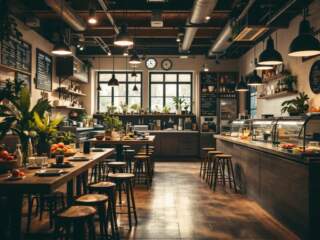
Food alone won’t save a pub. The atmosphere, warmth, and service seal the experience. I always tell operators to train staff on menu knowledge, allergen awareness, and genuine hospitality.
Additionally, lighting, music levels, and table spacing shape how long people stay and how much they order. For deeper insight into creating that complete experience, my guide to running a great pub covers the operational side in detail.
Conclusion
Good pub grub in 2026 rewards pubs that respect tradition while adapting smartly. Focus on quality classics, embrace dietary variety, source locally, and price honestly. Therefore, with consistent execution and warm service, your pub becomes the one locals recommend first, every single time.
Sources:
Backlinko findings on long-form content dominance





Leave a Comment