


Introduction
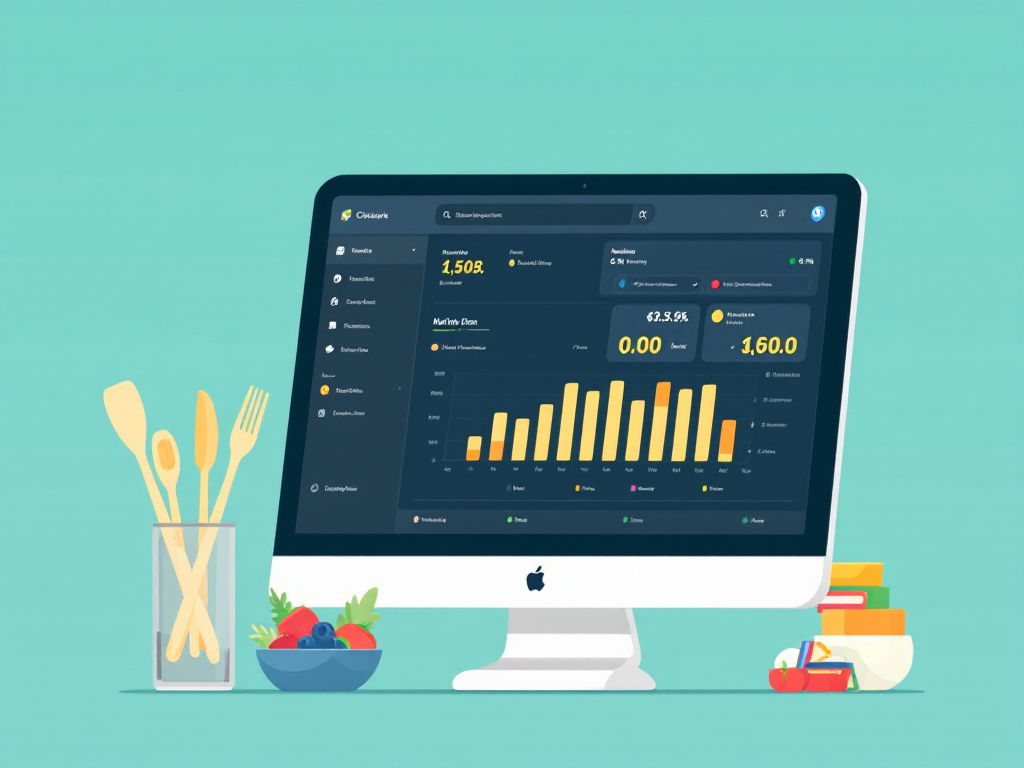
Restaurant management software in 2026 combines AI-assisted operations, real-time analytics and multi-channel guest engagement to help venues cut costs and boost margins. I’ve put together this guide to share the sharpest tips, latest data and practical ideas for choosing and using restaurant-management-software that actually delivers results.
Key Takeaways
- AI adoption in content and operations will hit 97% by 2026, reshaping how restaurants market and manage day-to-day tasks.
- Publishing 16+ blog posts monthly generates 4.5× more leads, a proven route for restaurant brands to attract diners.
- User experience matters: over half of consumers abandon content and platforms with poor usability or slow performance.
- Focus on long-tail search and voice queries, since 55% of searches will be voice-driven by 2025.
- Strong analytics integration within restaurant-management-software helps track ROI across menus, marketing and stock.
Why Restaurant Management Software Matters in 2026
Restaurants today juggle tighter margins, higher wage bills and shifting guest expectations. Therefore, choosing the right restaurant-management-software isn’t a luxury; it’s a survival tool. I’ve watched operators cut waste by double digits simply by moving from spreadsheets to cloud platforms. Moreover, integrated systems now pull together POS, stock, staff rotas and marketing data into one dashboard.
Consequently, decision-making becomes faster and more accurate. The content marketing industry alone is projected to grow by roughly £584 billion between 2023 and 2027, and restaurants relying on digital storefronts must keep pace. For example, well-optimised digital platforms saw engagement gains of +35 points in 2025.

Core Features to Prioritise
Not every platform suits every venue. However, a few features consistently separate strong systems from weak ones. I always recommend focusing on modules that pay for themselves within months.
Here are the features I look for first:
- POS integration with contactless and QR ordering.
- Live stock control linked to supplier feeds.
- Staff scheduling with labour-cost forecasting.
- CRM tools for loyalty and email capture.
- Reporting dashboards covering covers, margins and wastage.
Additionally, I recommend pairing your platform with a dedicated restaurant inventory management system if your kitchen handles complex prep or multiple sites.
Using Content Marketing to Fill Tables
Software alone won’t fill seats. Content marketing does. Furthermore, 71% of marketers say content marketing grew more important over the past year, and 89% flag blog content as a top priority, according to the Content Marketing Institute.
For restaurants, blogging drives local SEO and repeat bookings. Businesses publishing 16+ posts monthly generate 4.5× more leads, and bloggers using content strategically report 13× higher ROI. Consequently, a weekly recipe post, chef story or supplier spotlight can move the needle significantly.
Here are formats I’ve seen work well for hospitality brands:
- How-to guides, used by 76% of bloggers.
- Lists (54%) and seasonal menus.
- Guides and downloadable ebooks (51%).
- Original research such as diner surveys (49%).
Getting SEO Right in 2025 and Beyond
Search behaviour has shifted dramatically. For example, 9–12 word queries jumped to 11.4% of searches in 2024, while short queries dropped from 41.8% to 18.1%. Therefore, restaurants must write for natural language and voice search, which will drive 55% of searches by 2025.
Google’s E-E-A-T signals now weigh heavily on rankings. Additionally, around 40.3% of US Google searches in March 2025 ended in zero-clicks, meaning answer-first content matters more than ever. I focus on featured snippets, structured data and fast-loading mobile pages.
Furthermore, “attracting visitors from search” was flagged as the biggest blogging challenge in 2025 by the Orbit Media survey. Pairing content with strong restaurant inventory tracking software also lets you publish accurate menu availability, which boosts local search trust.
AI and Automation: The 2026 Standard
AI is no longer optional. Currently, 58% of marketers already use AI to draft blog posts, and 97% plan to use AI for content by 2026, up from 64.7% in 2023. Moreover, human-written posts cost roughly 4.7× more than AI-assisted ones.
However, I don’t recommend fully automated content. Instead, blend AI drafts with human editing, expert quotes and fact-checking. This AI-human workflow produces faster output without sacrificing trust. For restaurants, AI can also forecast demand, suggest menu tweaks and personalise loyalty offers.
Publishing Frequency and Content Depth
Consistency wins. Only 39% of marketers publish weekly, yet those who do report stronger results. Additionally, average posts run 1,333–1,416 words, but just 9% publish over 2,000 words. Of those, 39% report strong results versus a 20% baseline.
Time investment matters too. Top performers spend 6+ hours per article, and posts with 7+ visuals dramatically outperform those with fewer. Therefore, I plan a biweekly minimum, mixing long-form guides with shorter news updates.
Driving Traffic and Measuring ROI
Social media remains the top traffic driver, used by 94% of marketers. However, attribution is now the number one challenge in content marketing. Consequently, I lean on analytics baked into modern restaurant-management-software to link marketing spend to bookings and covers.
Here’s how I approach multi-channel promotion:
- Repurpose blog posts into Instagram reels and TikTok clips.
- Capture emails via booking widgets and gated menus.
- Use CTAs pointing to reservations and gift vouchers.
- Track conversion quality, not just raw traffic.
Furthermore, integrating restaurant stock management software with your CRM helps you promote dishes you actually have in stock, cutting disappointment and boosting margins.
User Experience and Technical Performance
Over half of consumers abandon content due to viewing or usability issues. Therefore, site speed, mobile responsiveness and accessibility aren’t optional extras. I audit page load times monthly and prioritise Core Web Vitals.
Moreover, B2B buyers consume 3–5 pieces of content before engaging, so a slick user journey keeps prospects moving through your funnel. For restaurants, that means fast menu pages, one-tap booking and clear pricing.
Timeline: What to Expect
Patience pays. Over 55% of marketing experts report it takes 3–9 months to gain initial traction with a new blog, and significant traction can take over a year. Consequently, treat your restaurant-management-software rollout as a long-term investment, not a quick fix.
Conclusion
Restaurant management software in 2026 blends operational control, AI-assisted marketing and data-driven decision-making.
Sources:
Content Marketing Institute – Content Marketing Statistics
Content Marketing Institute – 2024 Content Marketing Trends
Ahrefs – Blogging Statistics
Semrush – Content Marketing Statistics
Conductor – AI SEO Content Marketing 2025
Search Engine Land – SEO Trends 2025
DigiDop – SEO Trends 2025
Seologist – Top Content Marketing Trends 2025
Coalition Technologies – Biggest SEO Trends of 2025
Marqon Tech – Ultimate Guide to SEO in 2025
Moz – 12 SEO Hot Topics for 2025
LinkedIn – SEO Trends 2025: How AEO and AI Are Changing Content Strategy by Kayla Hall





Leave a Comment