

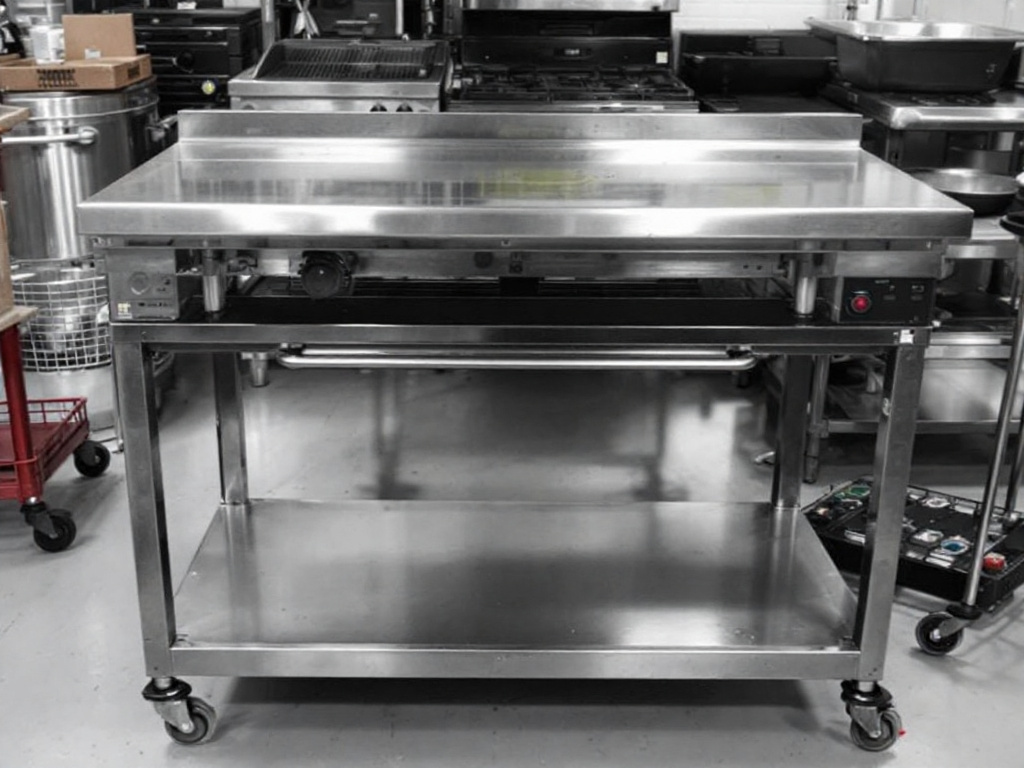

Buying second-hand-industrial-kitchen-equipment in 2026 offers hospitality operators a practical route to fitting out professional kitchens at 40–70% below new prices, provided buyers check service history, hygiene standards and warranty cover carefully. This guide shares my best tips for sourcing reliable used ovens, refrigeration, prep tables and dishwashers, along with negotiation tactics and inspection checklists for the year ahead.
Key Takeaways
- Second-hand kit typically saves 40–70% versus new, but check service records first.
- Always inspect for hygiene compliance, gas safety certificates and electrical PAT testing.
- Reputable dealers offer short warranties, usually 3–12 months, on refurbished units.
- Budget for delivery, installation and spare parts availability before purchase.
- Sustainability credentials make used equipment attractive for eco-conscious operators in 2026.
Why Second Hand Industrial Kitchen Equipment Makes Sense in 2026
Running a commercial kitchen isn’t cheap, and equipment budgets often swallow the largest slice of any fit-out cost. Used gear, however, lets me stretch capital further without compromising output. For example, a refurbished six-burner range from a leading brand can cost £1,200 instead of £4,000 new. Consequently, more independent operators are turning to the second-hand market for their opening kits.
The sustainability angle also matters. Reusing durable stainless steel appliances reduces manufacturing demand and landfill waste. Moreover, hospitality investors increasingly value circular economy practices when reviewing new ventures. Therefore, buying used isn’t just economical, it’s strategic.
What to Buy Used and What to Buy New
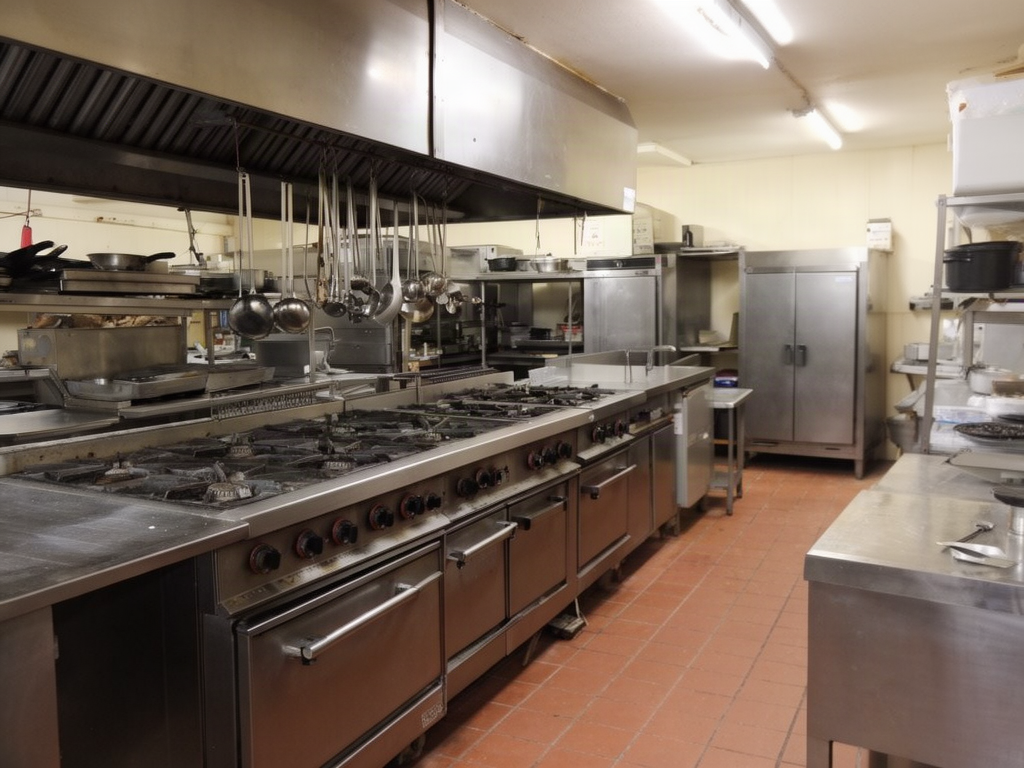
Not every appliance suits the second-hand route. Some items age gracefully, while others degrade quickly and become expensive liabilities. I generally recommend buying used for heavy stainless steel workhorses that have simple mechanical parts.
Here are the categories I’d happily buy pre-owned:
- Stainless prep tables, sinks and shelving
- Convection ovens and combi steamers with verified service logs
- Six-burner ranges, chargrills and salamanders
- Walk-in cold rooms and blast chillers
- Dough mixers, planetary mixers and heavy-duty slicers
Conversely, I’d think twice about used dishwashers, ice machines and delicate refrigeration. These items suffer wear on seals, pumps and compressors. For a broader comparison, my guide to commercial kitchen equipment explores new versus used trade-offs in more detail.
Where to Source Reliable Second-Hand Equipment
Sourcing well makes the biggest difference to long-term value. I always start with specialist dealers who refurbish, PAT-test and gas-certify their stock. Additionally, auction houses handling insolvency sales can yield bargains, though buyer beware applies.
My preferred sourcing channels include:
- Specialist refurbishment dealers offering warranties
- Restaurant closure auctions, often listed through commercial agents
- Trade-in programmes from equipment manufacturers
- Online marketplaces like eBay Business and Facebook Marketplace
- Direct sales from closing venues, negotiated privately
Furthermore, joining hospitality forums often surfaces private sales before they hit public listings. I’ve picked up excellent combi ovens this way for under £2,500.
Inspection Checklist Before You Buy
Never buy blind. I always inspect in person or send a trusted engineer if the item costs over £500. A careful check saves thousands in repairs later.
My standard inspection checklist covers:
- Service history and previous owner details
- Gas Safe certification for cooking equipment
- PAT test evidence for electrical appliances
- Visible rust, dents or damaged door seals
- Compressor noise and refrigerant condition on chilled units
- Availability of spare parts for the model
- Compliance with current UK hygiene regulations
Moreover, I always request a working demonstration. If the seller refuses, I walk away. For catering start-ups, my catering equipment guide has additional inspection templates worth reviewing.
Budgeting: Hidden Costs to Factor In
Sticker price rarely tells the full story. Transport, installation and commissioning can add 20–30% to your outlay. Additionally, older equipment often needs new gaskets, thermostats or filters before commercial use.
Here’s a realistic cost breakdown for a mid-sized used combi oven:
- Purchase price: £2,500
- Delivery and positioning: £250
- Gas connection and certification: £350
- Replacement seals and probes: £180
- Extended warranty: £220
Consequently, that £2,500 oven really costs closer to £3,500. Nonetheless, that’s still less than half the £8,000 new price. My professional kitchen equipment overview covers comparable pricing for new alternatives.
Warranties, Servicing and Compliance in 2026
UK regulations tightened again in early 2026, particularly around energy efficiency labels and refrigerant types. Therefore, I always confirm that used refrigeration uses compliant gases like R290 or R744 rather than phased-out HFCs. Otherwise, resale value collapses.
Reputable dealers now offer 6–12 month warranties on refurbished units. Furthermore, servicing contracts averaging £180–£400 per year keep major items reliable. I schedule preventative maintenance twice yearly for ovens and quarterly for refrigeration.
Negotiation Tips That Actually Work
Negotiation is where real savings emerge. I’ve found sellers respond well to prompt cash offers, quick collection and honest feedback about faults spotted during inspection. Additionally, bundling multiple items usually unlocks 10–15% off the combined price.
My top tactics include:
- Reference comparable listings to justify lower offers
- Point out inspection concerns calmly and specifically
- Offer immediate payment and same-week collection
- Bundle items across categories for volume discounts
- Time purchases around January and July, when closures peak
Sustainability and the Circular Kitchen Trend
Buying used aligns beautifully with 2026’s sustainability agenda. Hospitality operators face growing pressure to report Scope 3 emissions, and reused equipment slashes embedded carbon significantly. Moreover, guests increasingly notice and reward eco-conscious operators through repeat visits and positive reviews.
Second-hand-industrial-kitchen-equipment also fits well into pop-ups, ghost kitchens and seasonal venues. Consequently, flexible operators can scale up and down without wasteful capital write-offs. That agility, in my view, defines successful hospitality businesses this decade.
Conclusion
Buying used industrial kitchen
Sources:
DataReportal – Global Digital Overview Reports
JAMA Pediatrics – Screen Time and Mental Health
Journal of Adolescent Health – Screen Time and Mental Health
World Health Organization – Physical Inactivity and Sedentary Behavior Publications
National Sleep Foundation – Sleep Research on Screen Use and Sleep Quality
American Academy of Pediatrics – Guidelines on Children’s Media Use and Screen Time
Center for Humane Technology – Reports and Research on Attention Economy and Digital Wellbeing
McKinsey – Corporate Case Studies and White Papers on Remote Work, Digital Burnout, and Productivity
Gallup – Corporate Case Studies and White Papers on Remote Work, Digital Burnout, and Productivity
Deloitte – Corporate Case Studies and White Papers on Remote Work, Digital Burnout, and Productivity







Leave a Comment