


Small Restaurant Business Plan Sample: Free PDF – A Cozy Farm-to-Table Oasis
Introduction
Launching a small restaurant business can be an exciting yet daunting prospect. However, with the right business plan in place, you can turn your culinary dreams into a thriving reality. This comprehensive guide provides a sample to help you navigate the process and create a blueprint for your farm-to-table restaurant venture.
Key Takeaways
- Compelling Vision – Craft a mission statement that reflects your core values and dining experience you aim to offer.
- Startup Costs – Anticipate an average of £375,000 (£175,000–£750,000) to get your restaurant off the ground.
- Break-even Timeline – Strive to reach break-even within 6–12 months, with 46% of operators planning new locations in 2026.
- Diversified Revenue – Leverage food, drinks, and event offerings to create multiple income streams.
- Competitive Advantage – Differentiate your concept with a unique mission, values, and growth positioning.
Company Overview
Your small restaurant business plan should start with a comprehensive overview of your company. This includes a compelling vision statement and mission that reflect your core values, as well as a high-level strategy outlining your startup costs and break-even timeline.
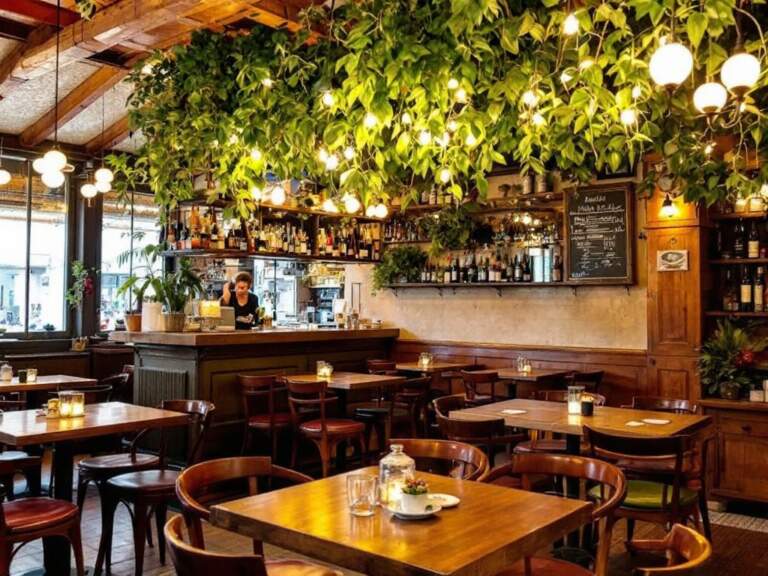
For example, you might envision creating a cozy farm-to-table oasis that offers an inviting dining experience. Your startup costs could range from £175,000 to £750,000, with a break-even point within 6–12 months. Short-term goals could focus on opening milestones, while long-term aspirations might include expanding to new locations, as 46% of operators plan to do in 2026.
Product and Service Offering
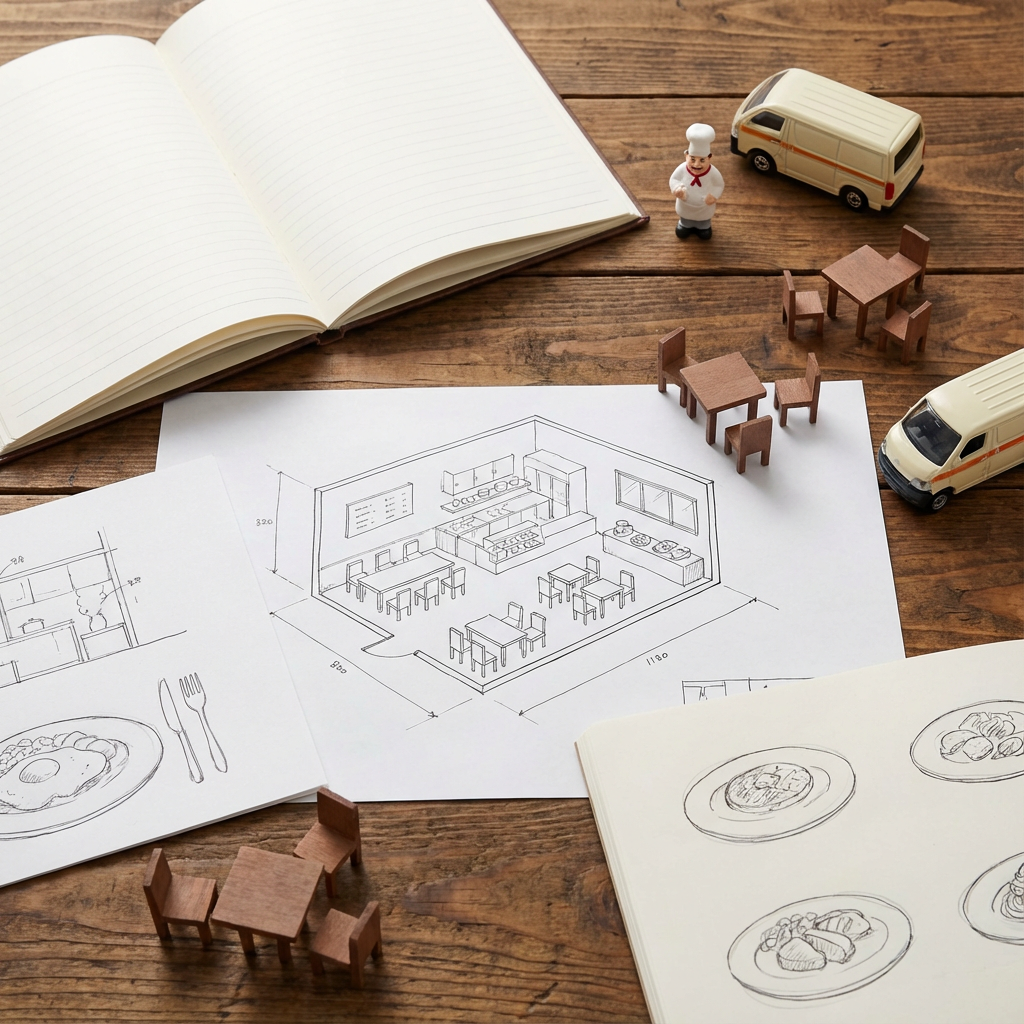
Your restaurant business plan should also detail your product and service offerings. This might include a menu that reflects current dining trends, such as a focus on local and sustainable sourcing. You could also offer quick meals or event/catering services to diversify your revenue streams.
For example, your startup budget for a farm-to-table restaurant might total £139,799, covering essentials like equipment and furnishings. By tailoring your offerings to the preferences of your target audience, such as health-conscious families, you can create a compelling dining experience that sets you apart from the competition.
Customer Focus
Understanding your target audience is crucial for the success of your small restaurant business. Your plan should identify your key customer segments, whether that’s families, foodies, or health-conscious individuals. Additionally, consider factors like demographics, preferences for quick or slow dining, and niche messaging that resonates with your audience.
According to recent industry data, 71% of customers prefer using a proprietary app for takeout and delivery orders. By catering to these evolving customer needs and preferences, you can position your restaurant for long-term success.
Conclusion
Developing a comprehensive small restaurant business plan is an essential step in transforming your culinary vision into a thriving reality. By outlining your compelling mission, startup costs, revenue streams, and customer focus, you can create a roadmap that will guide you to success. With the right planning and execution, your small restaurant can become a beloved farm-to-table oasis that delights your customers and fuels your entrepreneurial dreams.
Sources:
PlanBuildr’s Small Restaurant Business Plan PDF Free Download
Yelp: How much does it cost to open a restaurant? 10 key areas
Rezku Blog: Free Printable Restaurant Business Plan Templates
Financial Models Lab: Funding the Farm-to-Table Restaurant Startup Costs
Smartsheet: Free Restaurant Business Plan Templates
Restaurant365’s 2026 Industry Survey
Moose Mountain Café Sample Business Plan
eForms: Free Restaurant Business Plan Template
SpotOn: 2026 Independent Restaurant Profit Outlook
LivePlan: Small Restaurant Business Plan Download




Leave a Comment