


Restaurants today must think beyond traditional dine-in service to maximise their revenue streams and achieve sustainable profitability. By diversifying their offerings, savvy operators can unlock new sources of income and weather economic fluctuations.
Key Takeaways:
- Dine-in Revenue: Traditional restaurant sales still account for the majority of industry revenue, but profit margins remain thin.
- Third-Party Delivery: Delivery platforms have become a significant driver of growth, contributing up to 30% of total revenue for some operators.
- Beverage Programs: Happy hour and beverage-focused venues can generate substantially higher profit margins than food-centric operations.
- Catering and Events: Expanding into catering and event hosting can provide revenue stability and tap into new markets.
- Diversification: Adopting a multi-faceted approach to revenue streams is crucial for restaurants to thrive in the ever-changing industry.
Traditional Dine-In Service
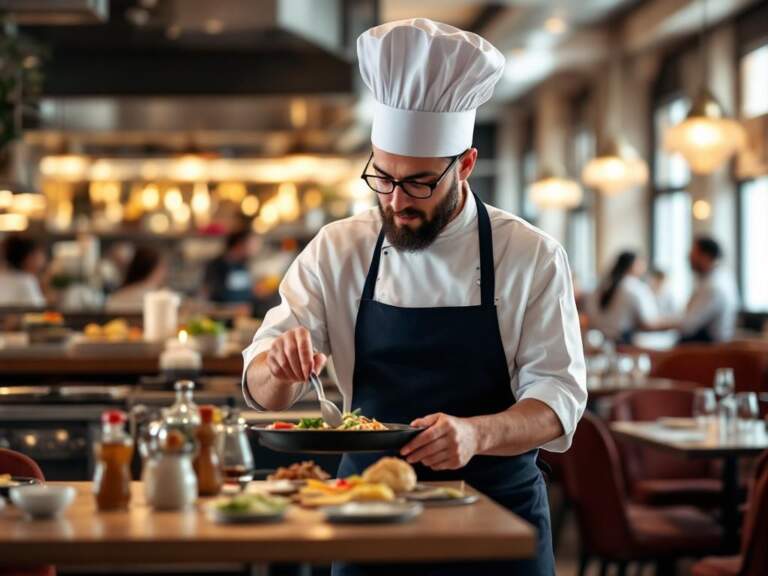
While full-service restaurants generated an average annual revenue of approximately £1,911,711 in 2024, traditional dine-in sales still account for around 73.33% of the projected £1.5 trillion industry revenue in 2025 [1]. However, operating margins remain critically thin, with the average U.K. restaurant operating with a net margin of only 3%–5% [2]. Even top performers can only reach around 10% profit margins, and most independent restaurants operate between 2% to 6% [3,4].
To maintain traditional dine-in revenue, restaurants must strategically invest in operational efficiency, menu innovation, customer experience, and effective marketing [5,6].

Third-Party Delivery Platforms
Third-party delivery has become a significant driver of revenue growth for most restaurants, with around 45% of operators reporting that these services contribute between 11% and 30% of their total revenue [7]. To capitalise on this trend, 58% of restaurant operators plan to increase their IT budgets in 2025, with investments including technology for online ordering, delivery systems, and automation [8].
Leveraging established delivery companies allows restaurants to reach a broader customer base without developing their own delivery infrastructure, making it an attractive option for many operators [9].
Happy Hour and Beverage Programs
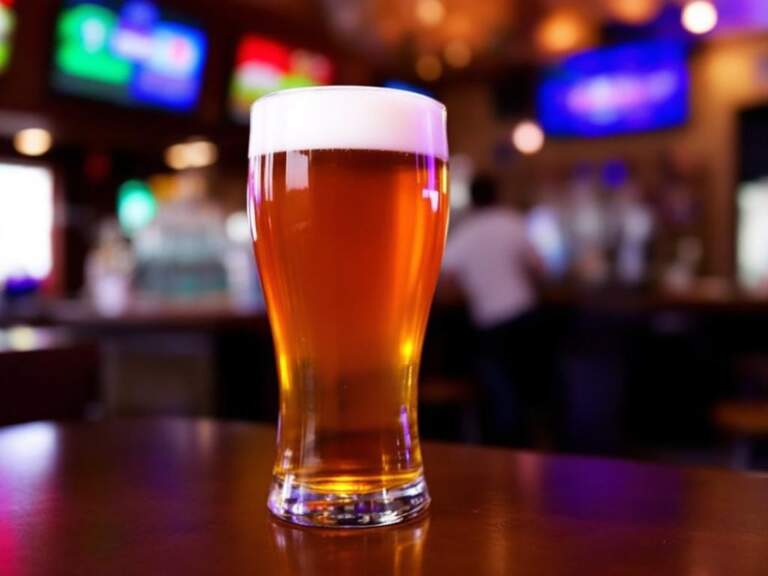
Happy hour sales can account for up to 60.5% of a venue’s total revenue, making it a critical revenue driver for establishments that capitalise on this period [10]. Additionally, the average gross profit margin for a bar is 70-80%, substantially higher than food-centric operations [11].
Wine bars, for example, can lift their profit with a short, curated list and confident pairing scripts, as guests tend to spend more when they feel guided [12]. Beverage-driven venues, in general, generate significantly higher margins than their food-focused counterparts [13].
Catering and Event Hosting
About 37% of operators have adopted new channels, including catering, event hosting, and delivery, to diversify and expand their income streams [7]. Stand-alone catering operations average 7%–8% profit margins, which is substantially higher than many full-service restaurant models [3].
Catering allows restaurants to go beyond traditional dine-in experiences and tap into new markets, providing revenue stability during slow dining periods and leveraging existing kitchen infrastructure and supplier relationships [12,13].
Conclusion
In today’s competitive restaurant landscape, operators who embrace a diverse array of revenue streams position themselves for long-term success. By strategically combining traditional dine-in service with innovative offerings like third-party delivery, beverage programs, and catering, restaurants can maximise profitability and withstand the ever-changing industry demands.
Sources:
Oyster Link
Running Restaurants
Riviera Produce
SpotOn
Restaurant365
Industry Dive
GBQ
Nation’s Restaurant News
McKinsey
Back of House
National Restaurant Association
GetSauce
Operator’s Edge



Leave a Comment